It is said that there is a popular saying in German business circles: Taicang is better known in Germany than it is in China.
Since 1993, when Kern-Liebers invested in Taicang as the first German enterprise, this small city in Jiangsu province has attracted over 560 German companies, with total investment exceeding US$6 billion, and an annual industrial output value surpassing RMB 67 billion.
The scale of German investment in Taicang has helped the city earn the reputation as one of China's county-level economies with the highest density of German enterprises and the best development quality, famously dubbed the "Home of German Companies."
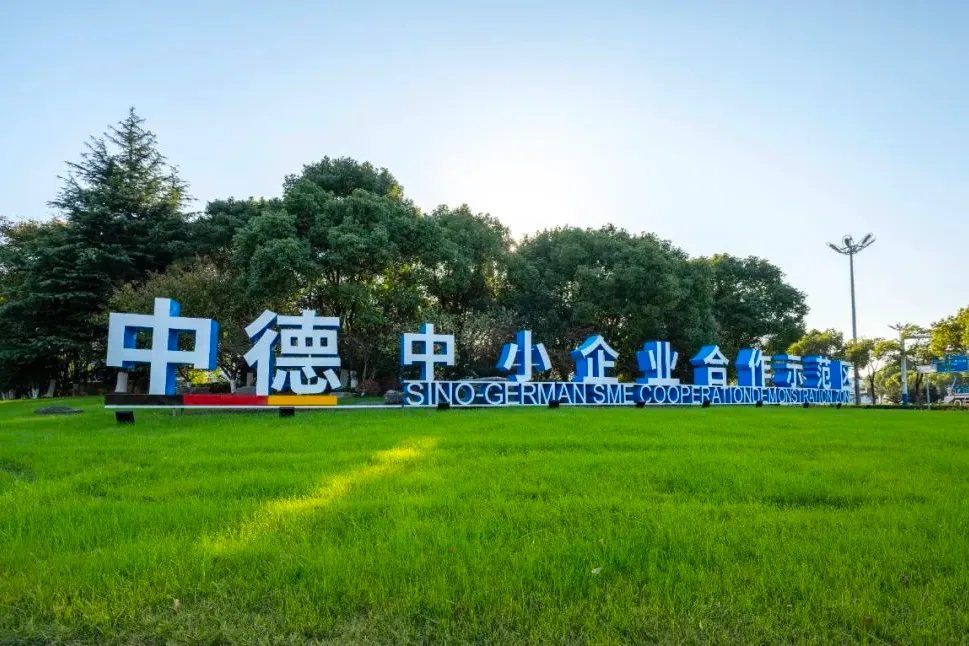
The gene of opening-up rooted in history
Located in southern Jiangsu on the south bank of the Yangtze River estuary, Taicang's global outlook has deep historical roots. More than 600 years ago, it was from here that the legendary Chinese navigator Zheng He set sail on his seven epic voyages, instilling in the city a spirit of maritime ambition and openness to the world.
After China implemented its reform and opening-up policy, Taicang keenly recognized the historic opportunity presented by global industrial shifts and the economic complementarity between China and Germany. It strategically established long-term collaboration with German companies, known for their precision manufacturing and technological innovation, as a cornerstone of its urban development.
Starting from scratch, Taicang has gradually attracted over 60 "hidden champion" companies—global leaders in their specialized niches—including Kern-Liebers, Schaeffler, Trumpf, Krones, and HRPE Group.
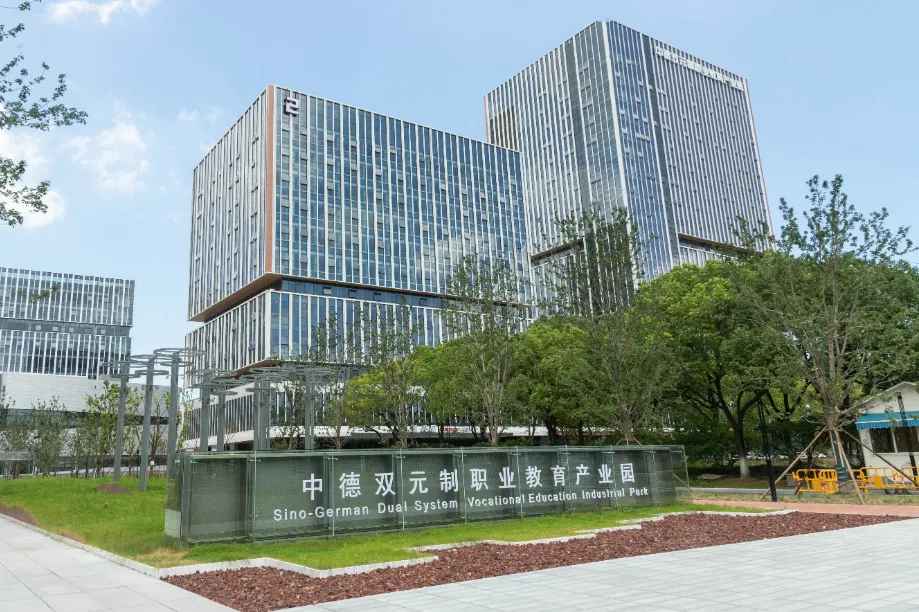
Pioneering a German-style dual education system in China, Taicang established the country's first professional worker training center synchronized with German vocational education.
Leveraging its strategic location along the Yangtze River, near the sea, and close to Shanghai, Taicang Port stands as China's sole inland port enjoying the same preferential treatment as a seaport, effectively connecting the city to global markets.
Dr. Norbert Riedel, German Consul General in Shanghai, affirmed Taicang's status, stating it has become the preferred destination for German enterprises in China.
From Manufacturing to 'Intelligent Manufacturing'
As China advances its development of sophisticated manufacturing and commits to sustainable practices, Taicang has emerged as an ideal location for further German investment.
BEUMER Group, the 500th German company to settle in Taicang, exemplifies this evolution. When its new plant, a modern base representing a total investment of €100 million, commenced production at the end of 2025, it is carrying out not only manufacturing responsibilities but also research and design functions.
BEUMER's "upgraded" facility is far from an isolated case in Taicang. Currently, over 90% of the early German arrivals have completed at least one round of capital increase, with many undergoing three or more rounds. A growing number of German companies have transformed their Taicang plants from pure manufacturing hubs into integrated centers of production and R&D.
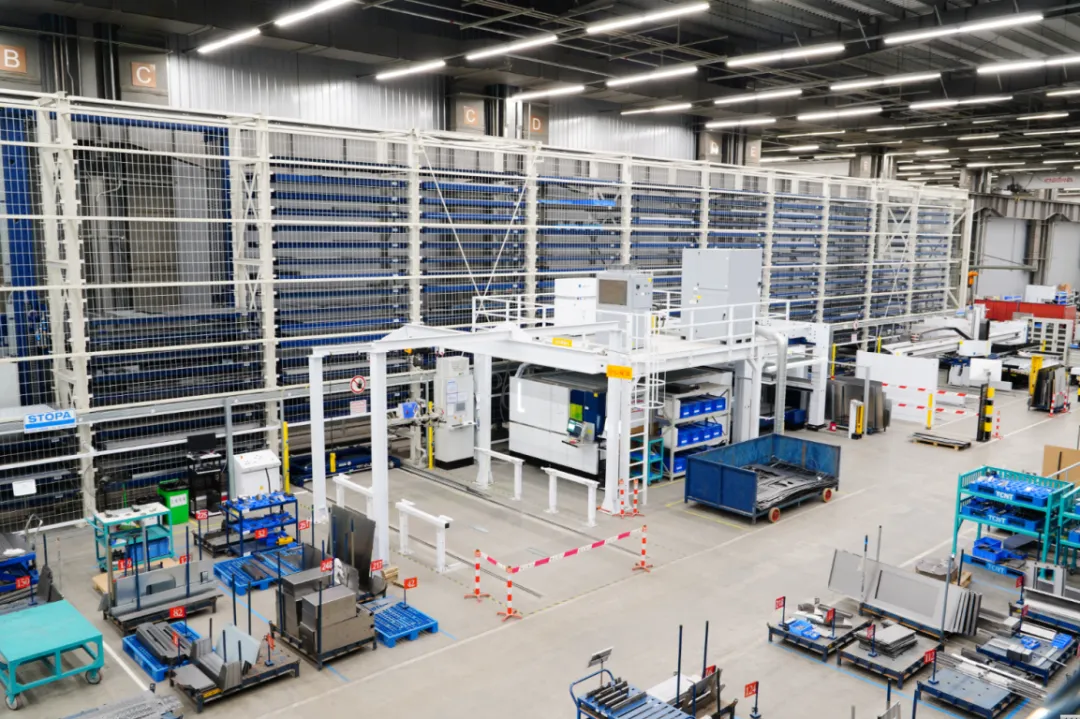
This shift marks Taicang's evolution from a mere contract manufacturing site into a genuine hub of intelligent manufacturing.
With innovation from German companies and its expanding spillover effects, over 800 local enterprises and research institutions have engaged in various forms of collaboration, including industrial supporting, R&D innovation, joint talent cultivation, and capital cooperation. Pioneering German firms like Oechsler, Schaeffler, and Tunkers have provided intelligent manufacturing solutions to more than 200 local enterprises.
Through this two-way technological empowerment between Chinese and German entities, Taicang's industrial innovation capacity has steadily advanced.
A 'Second Home' for Over 3,000 German Expats
Today, Taicang has evolved from a simple cluster of German companies into a modern industrial powerhouse. Its economy is anchored by high-end equipment manufacturing and automotive components, while strategic emerging sectors like aerospace, biomedicine, and new materials flourish.
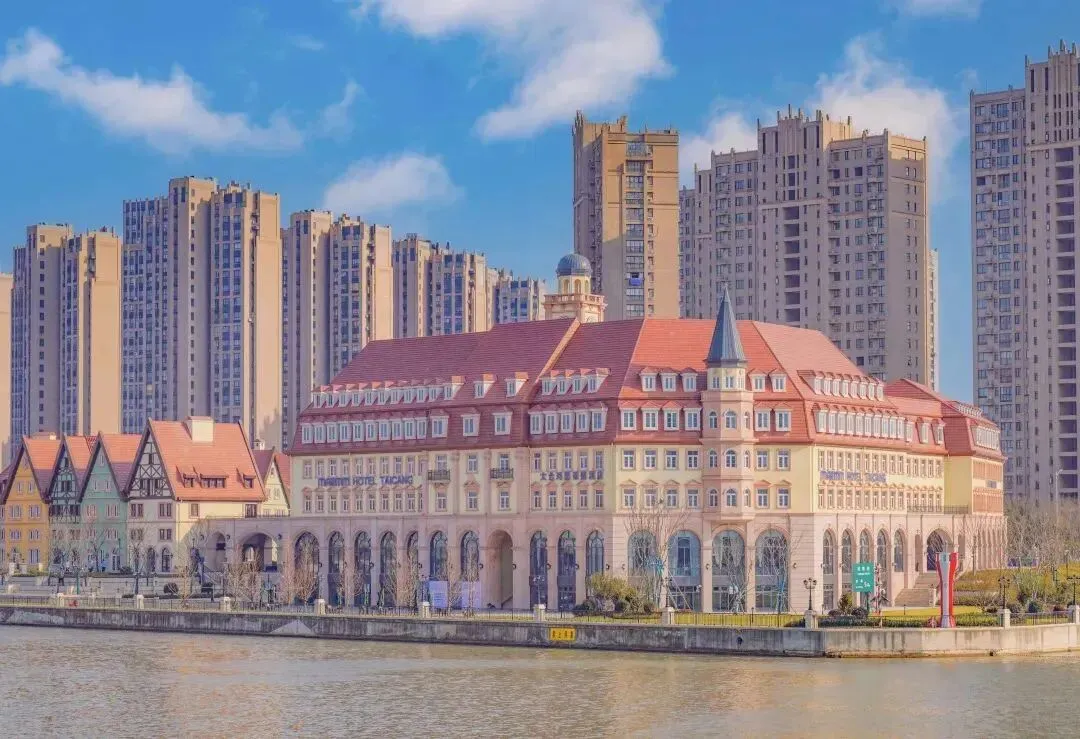
Furthermore, Taicang has cultivated a comprehensive living environment that enables foreign residents to feel at ease, comfortable, and secure. German-style bakeries and pubs are woven into the daily landscape. The Taicang Foreigners Service Center addresses practical challenges related to payments, government services, and transportation, integrating 73 distinct services for international residents. A specially launched "Hi Taicang" bank card facilitates greater convenience in areas such as healthcare, education, and travel.
The city has now become “second home” of over 3,000 German expats. This inherent attractiveness has become a core competitive advantage for Taicang, ensuring that its reputation as the "Home of German Companies" shines ever brighter with the passage of time.