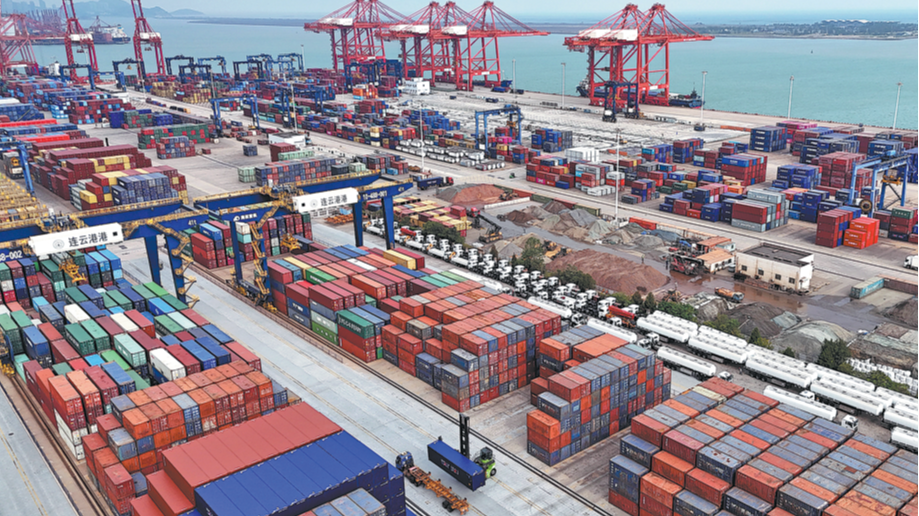
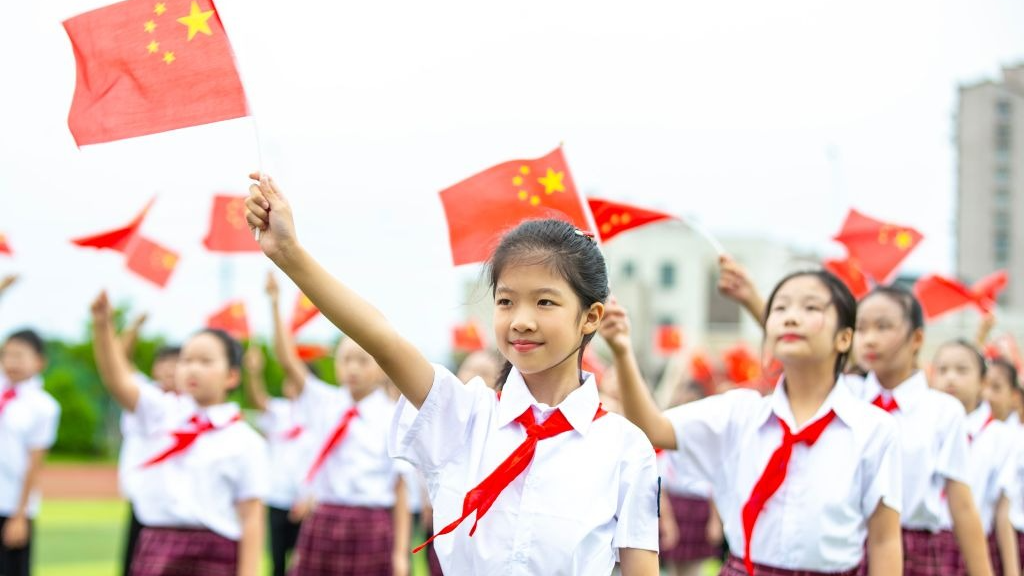
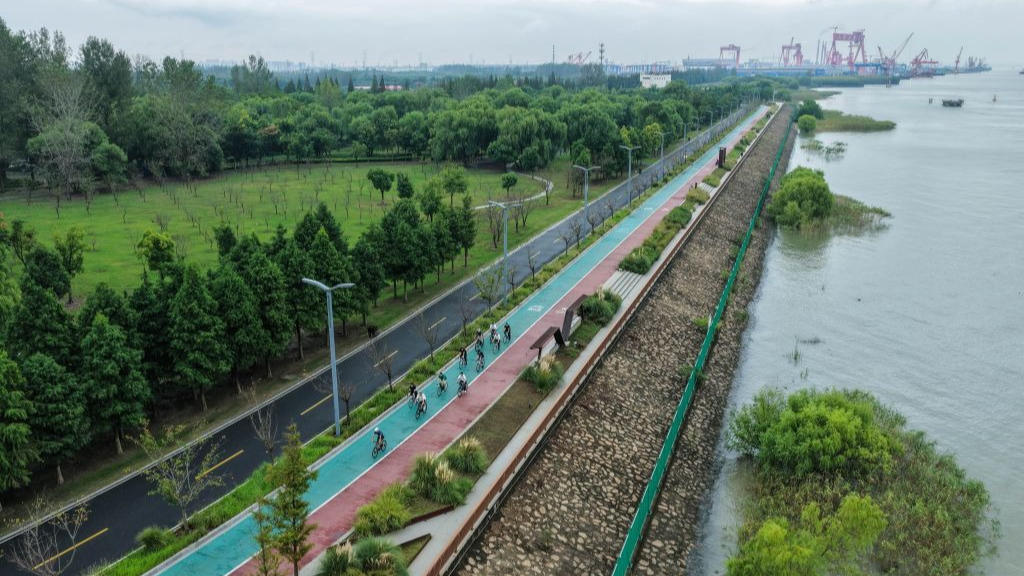
The second Belt and Road Forum on People-to-People Connectivity, held in Jiangsu's Nanjing city on Sept. 3, has brought together over 150 political, academic and business leaders from home and abroad to foster closer people-to-people exchange under the Belt and Road Initiative.
The forum, hosted by the Western Returned Scholars Association, featured in-depth discussions on mutual learning among civilizations, industrial collaboration and youth cooperation.
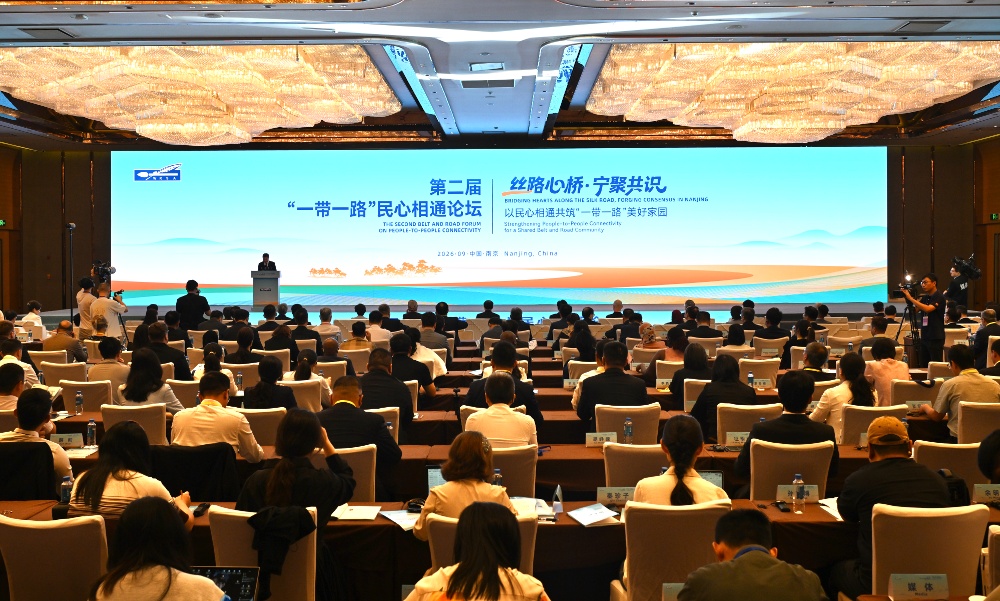
Chinese and foreign attendees cited a range of vivid examples to highlight the importance of trade and cultural interactions, and to explore the expanded space for fostering stronger people-to-people ties.
In the venue, a silk scarf on display drew considerable attention. The scarf comes from Jiangsu SOHO Holdings Group Co, a State-owned enterprise based in Nanjing, and also from Uzbekistan. Zhou Yong, chairman of the board of SOHO Group, said that while facilitating the China-Central Asia trade facilitation cooperation platform, the company discovered that Uzbekistan, like China, is a major producer of silk, yet the quality and uses of silkworm cocoons differ between the two countries. SOHO inked cooperation agreements with Uzbek enterprises to jointly build a silk and mulberry demonstration base.
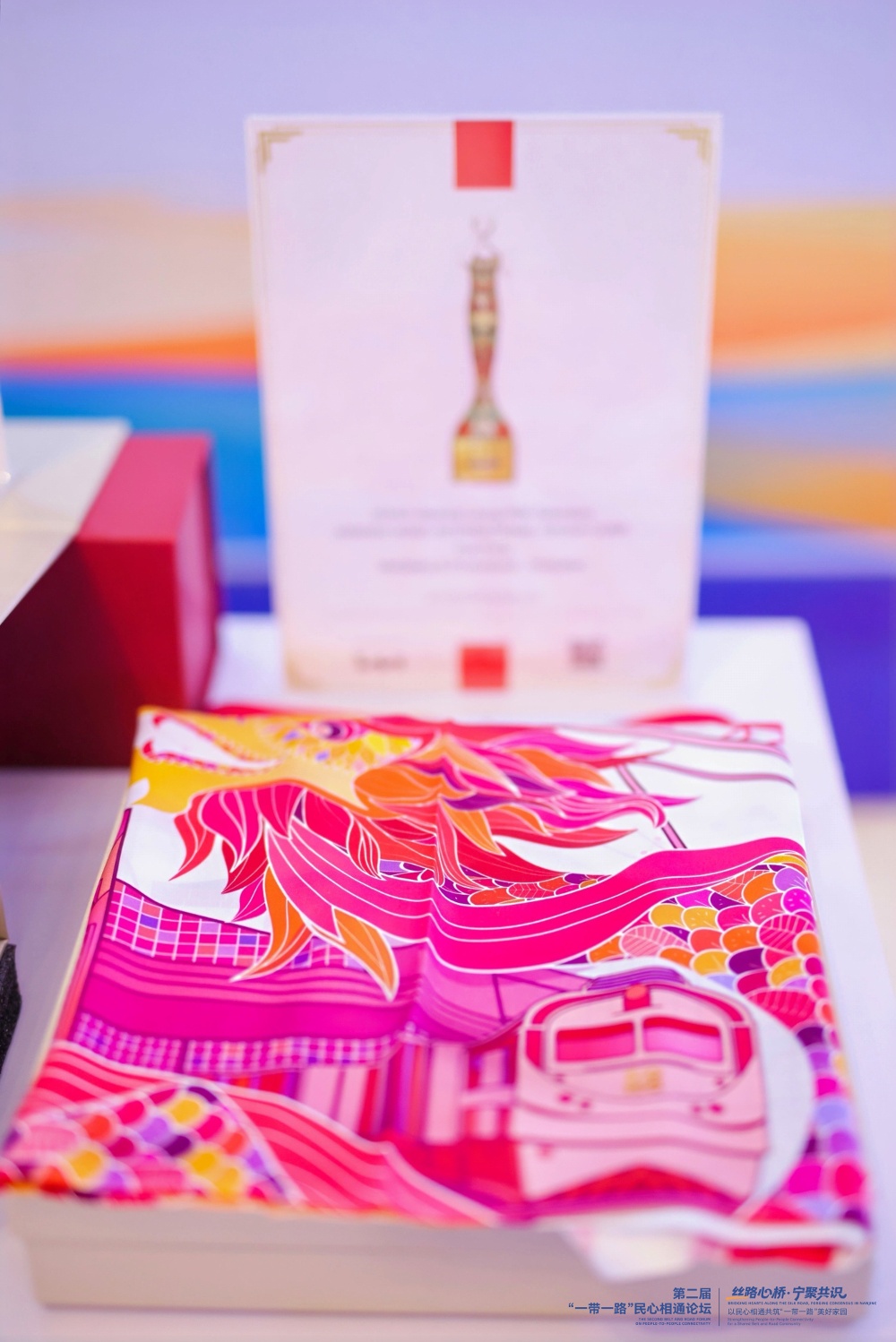
"We recently combined silk from both Jiangsu and Uzbekistan to create a new line of women's apparel," Zhou said. "In the next phase, we plan to export silkworm breeding, mulberry cultivation and textile equipment technologies to help Uzbek partners improve product quality and jointly explore global markets."
Adil Kaukenov, director of the Belt and Road Research and Education Center in Kazakhstan, shared his personal observations on how the peoples of China and Kazakhstan have grown closer over the years. "When I first came to China in 2002, people would ask where Kazakhstan was," he recalled. "Today, they would tell me without doubt that Kazakhstan is China's good friend on the Belt and Road."
Kaukenov attributed this transformation to closer exchanges between the two countries in education, noting that more Kazakh students are now studying at Chinese universities, while Chinese students are also pursuing education in Kazakhstan. The interpersonal interactions, he said, have gradually cemented state-to-state amity, and education has built bridges of mutual understanding, making young people a solid foundation for Sino-Kazakh ties.
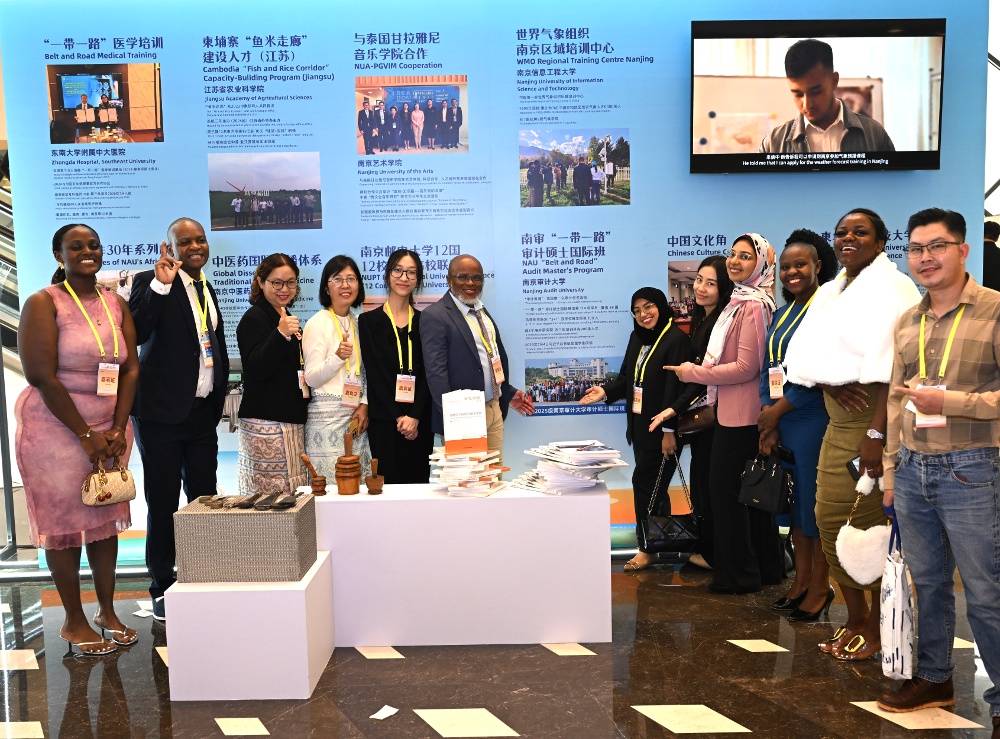
He expressed hope to facilitate cooperation between universities in both countries to further promote cultural and academic exchanges, thereby deepening mutual learning and people-to-people bonds.
Datuk Siti Hamisah Tapsir, president of UCSI University in Malaysia and a fellow of the Academy of Sciences Malaysia, also marveled at China's development, in which she saw broad prospects for youth exchanges and scientific collaboration between the two nations.
Describing Malaysia as a cultural melting pot with diverse languages and heritage, she believes both countries have complementary strengths to share. "I'm looking forward to seeing younger generations work together," she said, adding that young people everywhere share common aspirations for a comfortable and responsible life. She identified green energy, sustainable development and artificial intelligence as key areas for cooperation. Such cooperation, she said, will turn people-to-people connectivity into a lasting asset for generations to come.